
23 October 2026 · 2 min read
How Venice learned to hold back the sea
Seventy-eight yellow gates under the lagoon, raised when the tide comes in. The story of how Venice stopped drowning, and what it means for your visit.
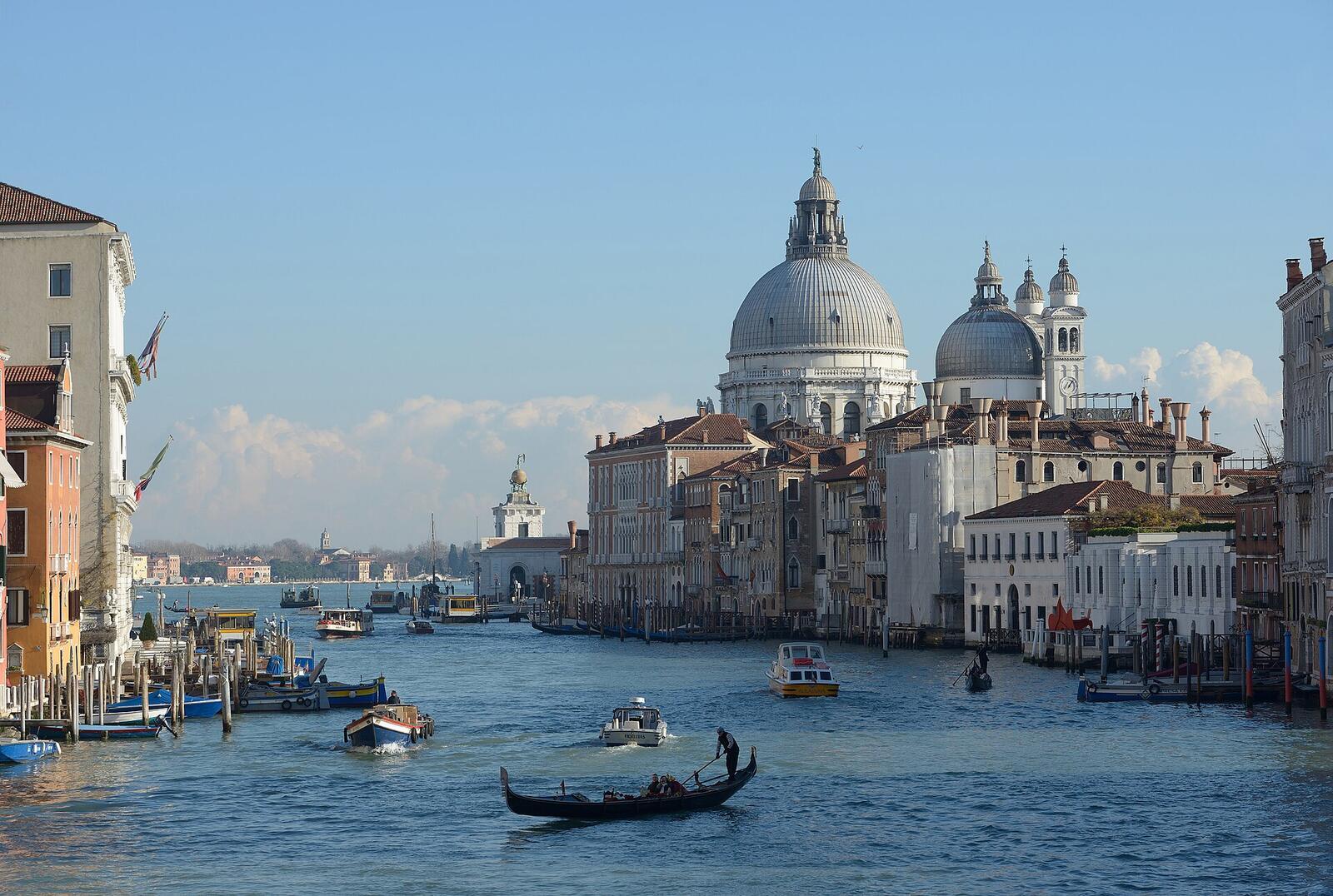
In November 2019 the water in Venice rose higher than it had in more than fifty years. Saint Mark's Square became a lake, the crypt of the basilica flooded, and shopkeepers waded through their own doorways. The city had been promised a solution for decades. Less than a year later, it finally worked.
The gates under the lagoon
The system is called MOSE, after Moses parting the sea. It is a line of 78 hollow steel gates lying flat on the seabed at the three openings between the lagoon and the Adriatic: Lido, Malamocco and Chioggia.
When a high tide is forecast, compressed air is pumped into the gates. They rise, hinge upwards and form a wall that keeps the sea out of the lagoon for as long as the tide lasts. When it falls, the air is let out and the gates sink back out of sight.
On 3 October 2020 the gates were raised against a real storm for the first time. Outside, the tide climbed. Inside, Saint Mark's Square stayed dry. Twelve days later they did it again.
Not a happy ending yet
MOSE was finished years late and far over budget, after a corruption scandal that reached the city's own government. It is also expensive to raise, so it is only used for the highest tides. Smaller floods, the kind locals call acqua alta, still reach the lowest streets a few times a year, which is why you will sometimes see raised walkways stacked in the squares.
The long-term question is bigger: if sea levels keep rising, the gates will have to close more and more often, and a lagoon that is closed too often stops being a lagoon.
What it means if you are going
- Autumn and winter are when high tides happen. With MOSE they rarely ruin a visit, but waterproof shoes are still a good idea from October to January.
- Day trips on busy spring and summer dates now come with an access fee, introduced in 2024. In 2026 it was €5 booked in advance and €10 at short notice. If you stay overnight you don't pay, but you still register.
- Stay a night. The city you get after the day crowds leave, quiet canals and empty bridges, is the one most people never see.
If you want to see it properly, our Venice guide has what decide already knows about the city, from getting around to what to skip.