
5 November 2026 · 3 min read
The Portuguese-Thai neighbourhood just across the river from Bangkok's busiest temple
While coach parties queue for Wat Arun, a short ferry ride across the Chao Phraya leads to Kudi Chin, a riverside community with Portuguese roots, a 300-year-old church, and a dessert found almost nowhere else in the city.
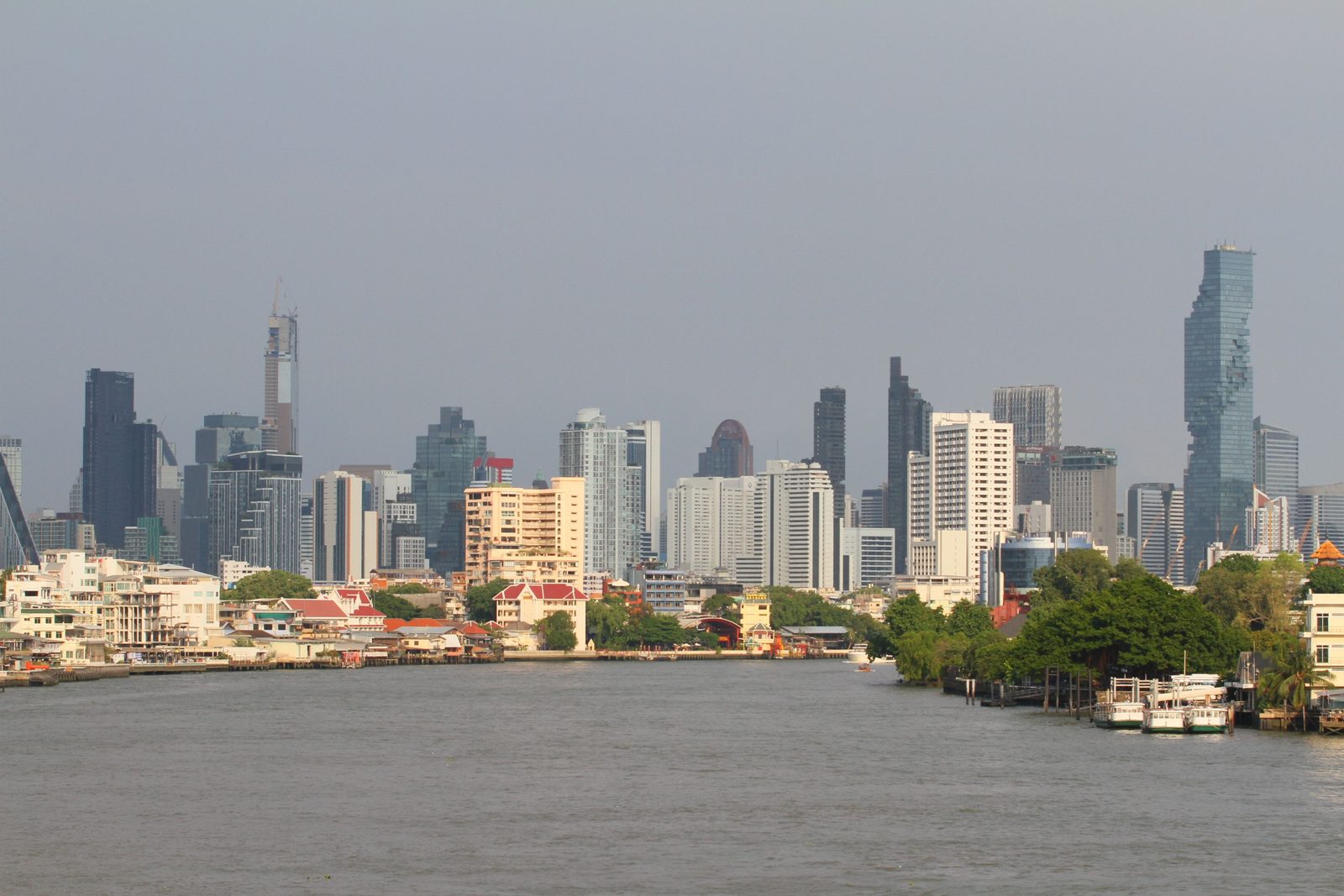
Most people who make it to Wat Arun never cross the river again. They photograph the temple's spires from the Tha Tien pier, maybe take the three-minute ferry over for a closer look, then head straight back to the Chinatown side. It's a shame, because a few hundred metres south along the Thonburi bank is one of Bangkok's oldest surviving communities, and almost nobody outside the city seems to know it's there.
Kudi Chin, the neighbourhood the river forgot to erase
Kudi Chin sits on the west bank of the Chao Phraya, opposite the old Chinatown district. Portuguese traders and soldiers settled here in the late 1700s after helping King Taksin reclaim Thonburi, and their descendants, along with Chinese, Thai and Catholic Vietnamese families, have lived alongside each other ever since. The result is a tight grid of narrow lanes, wooden shophouses and small shrines that feels nothing like the rest of Bangkok.
The centre of the community is Santa Cruz Church, a cream and terracotta building with a dome that looks more like something from Lisbon than Thailand. The current structure dates from the 1910s, built on the site of an earlier chapel, and it still holds Catholic mass for a congregation whose families have worshipped there for generations. Nearby, the small Baan Kudichin Museum, run by a local family, explains the area's Portuguese-Siamese history through old photographs, documents and household objects, usually with someone happy to talk you through it.
The lanes themselves are the real draw. They're barely wide enough for two people to pass, lined with potted plants, drying laundry and the occasional cat asleep on a doorstep. There's no traffic because there's no room for it. Walking here in the early morning, before the heat sets in, you get long views of light falling between the houses and down to the water.
The dessert worth the detour
The one thing people who do know Kudi Chin tend to mention is khanom farang kudi chin, a kind of sponge cake baked in a wood-fired brick oven, topped with candied winter melon or dried fruit. It's a direct legacy of the Portuguese bakers who settled here centuries ago, adapted over generations with Thai ingredients, and a handful of family-run shops still bake it the traditional way. It's dense, slightly smoky from the oven, and nothing like the cakes sold anywhere else in the city. Ask at the museum and they'll point you to whichever shop is baking that day, since not all of them fire up the oven daily.
Where to go next along the river
From Kudi Chin, it's an easy walk north along the riverside path to Lhong 1919, a restored 19th-century Chinese mansion and former pier for Hainanese immigrants, now a cultural space with shops, cafes and faded murals still visible on the walls. It's a good place to sit by the water with a coffee before catching a ferry back across.
If you'd rather make a loop of it, Wat Kalayanamit, with its enormous seated Buddha and giant bell, sits right at the edge of the community and is a natural starting or finishing point. From there it's a short walk or boat ride to Saphan Phut or the Memorial Bridge pier, where cross-river ferries run regularly and cost next to nothing.
When to go
November to February is the best window, when Bangkok's humidity drops and mornings are genuinely pleasant for walking. The lanes of Kudi Chin have almost no shade, so arriving soon after sunrise, before nine, makes the biggest difference. Outside these months the heat and afternoon downpours make the narrow, shadeless streets considerably harder going, and the riverside path near Lhong 1919 can flood during the October to November high water period, so it's worth checking conditions if you're visiting right at that edge of the cool season.
A morning here, finished with coffee at Lhong 1919 and an afternoon back across the river in Chinatown, makes for one of the more complete days you can plan in Bangkok, old city and new, Thai and Portuguese, within a twenty-minute ferry ride of each other.
If you're mapping out a Bangkok itinerary, it's worth building a half day around this side of the river before the rest of the trip fills up.
Planning a visit? Our Bangkok guide has the essentials, and decide can plan the whole trip in about a minute.