
12 November 2026 · 3 min read
The bridge in Bruges that everyone photographs, thinking it is medieval
A tiny stone bridge near the Gruuthuse Museum is one of the most photographed spots in Bruges, and almost nobody realises how recent it actually is.
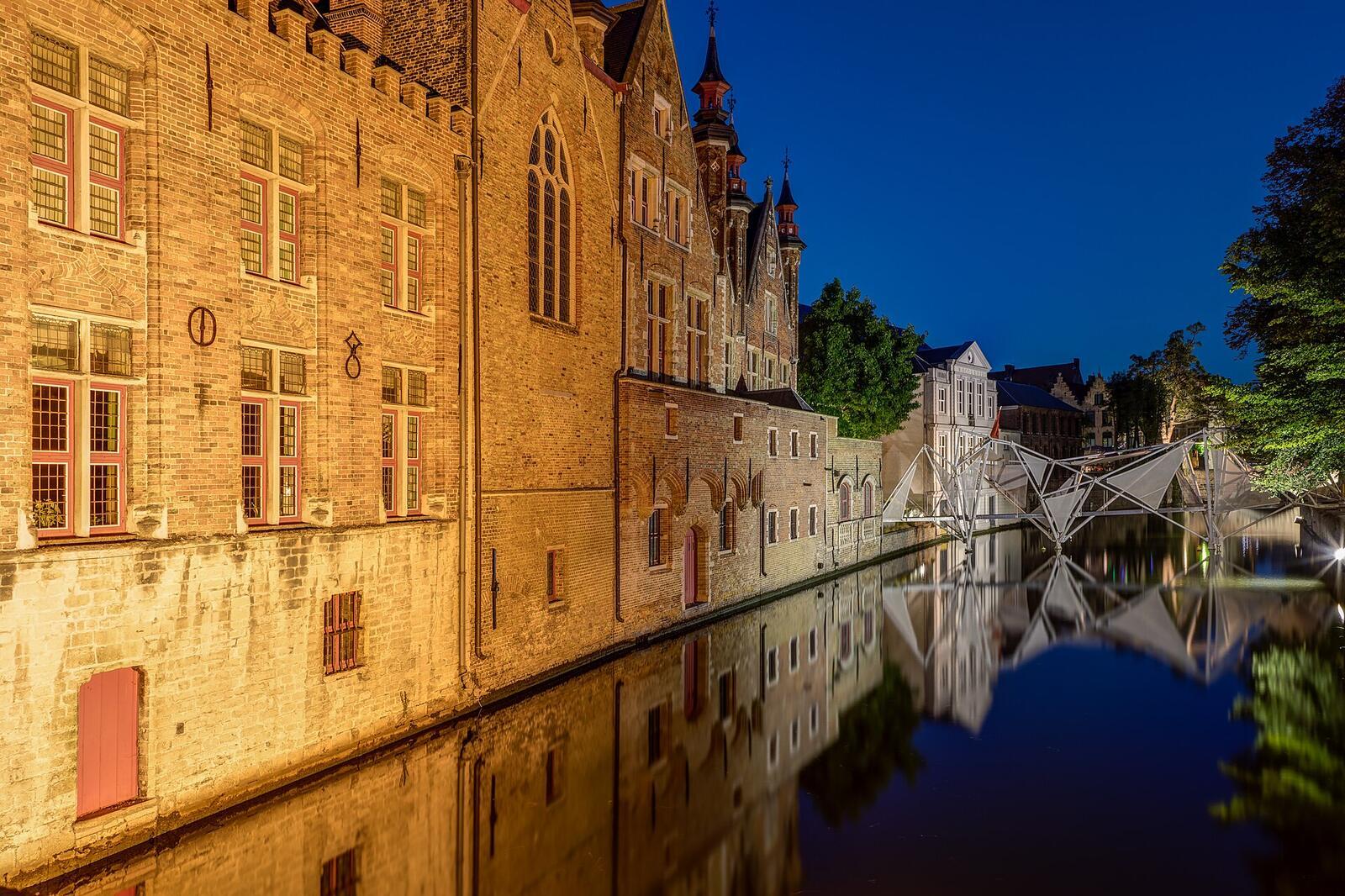
The bridge everyone stops for
If you walk from the Church of Our Lady towards the Dijver canal in Bruges, you will cross a narrow stone bridge with a statue of a bishop tucked into the wall beside it. Guides call it the Bonifaciusbrug, and almost every visitor stops to take a photograph. Ivy climbs the stonework, the canal curves away beneath it, and swans drift past on cue. It looks like the oldest corner of the city.
It isn't.
What's fact
Bruges spent much of the late nineteenth and early twentieth century rebuilding and restoring its medieval core, partly to repair genuine decay and partly because the city had realised that its half-ruined Gothic character was becoming its main draw for visitors. Architects and city planners of that period, working under figures such as Louis Delacenserie, added and altered buildings in a deliberately old-looking style, sometimes using genuine medieval fragments rescued from demolished structures elsewhere in the city.
The little bridge by the Gruuthuse Museum dates from this era of careful, picturesque reconstruction, not from the Middle Ages. The statue built into the corner wall nearby, often identified as a bishop and sometimes labelled Boniface, is older than the bridge itself: it carries a date from the seventeenth century and is thought to have come from elsewhere in the city before being set into this spot when the area was redesigned. So the bridge is new, the statue is old, and the whole scene was assembled to look like a single, continuous piece of medieval Bruges.
What's legend
The story that gets repeated most often by guides, and that gives the bridge its romantic reputation, is that it marks a spot where lovers once met in secret, or that a young couple were separated here by family or fate, depending on who is telling it. There is no documented source for this. It appears to be a tale that grew up around the setting itself, because the bridge looks exactly like the kind of place such a story should happen. Several versions circulate, which is usually a sign that none of them is original: genuine local legends tend to settle into one fixed form over generations, while invented ones multiply and drift.
What can be said honestly is that the bridge has become known locally and among guides as one of the most romantic corners of the city, and that this reputation seems to have grown from its appearance rather than from any specific historical event.
Why it matters
None of this makes the bridge less worth seeing. If anything, it is a better story than the invented one: a city that was clever enough, more than a century ago, to understand that its own ruins and remnants were valuable, and that stitched together old carvings with new stonework to create scenes so convincing that they are now mistaken for the real medieval Bruges by almost everyone who passes through.
It is also a useful reminder for anywhere in Europe that looks "perfectly medieval". A surprising amount of what tourists photograph as untouched history was, in fact, carefully restored, rebuilt or reassembled during the nineteenth and twentieth centuries, often by people who cared enough about the past to want to protect its appearance, even where that meant recreating it.
Next time you're standing on that bridge waiting for the perfect photograph without anyone else in it, you're not looking at eight hundred years of unbroken history. You're looking at roughly a century of very good craftsmanship, dressed in borrowed stone.
If you're planning a trip to Bruges and want to work spots like this into a route that also covers the canals, the Markt and the Béguinage, it's worth building an itinerary around them rather than stumbling across them by chance.
Planning a visit? Our Bruges guide has the essentials, and decide can plan the whole trip in about a minute.