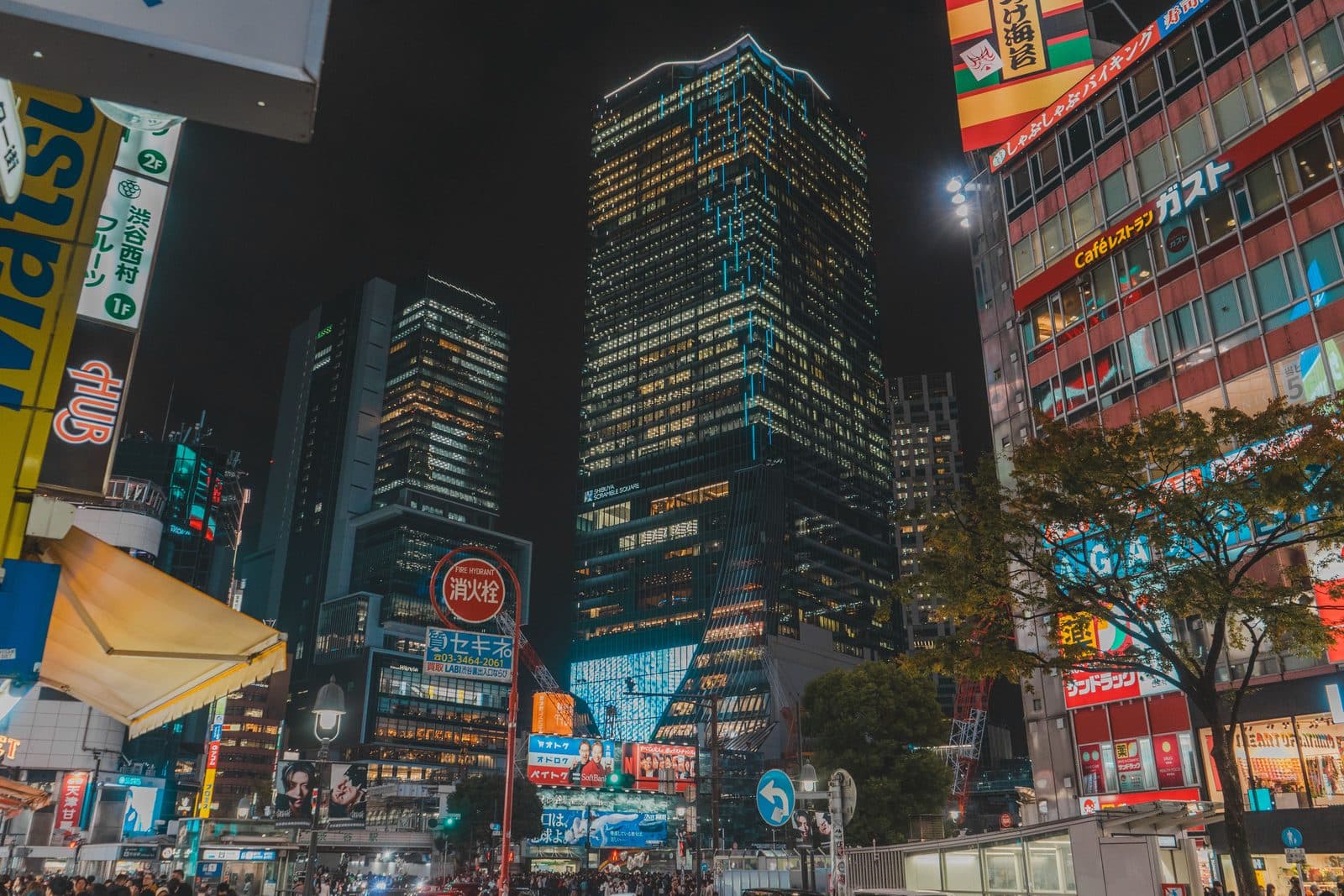
Tokyo is enormous but never feels chaotic - a city of distinct, walkable neighborhoods stitched together by a rail network precise enough to set a watch by.
A few things decide already knows about Tokyo before it even runs a live search - grounded background, not a substitute for the price checks a real itinerary still runs.
Getting around
The subway and JR rail network is extensive and punctual enough to set a watch by; a rechargeable IC card (Suica or Pasmo) works across nearly every train, subway, and bus and is far less hassle than single-fare tickets.
What things cost
A mid-range hotel runs roughly ¥15,000-25,000/night (~$100-160); a proper mid-range dinner for two is roughly ¥7,000-10,000 (~$50-70), while a bowl of ramen or a convenience-store meal is closer to ¥800-1,200 per person.
Tourist-trap watch
Izakayas with staff calling out to passersby and picture menus right outside major stations (Shinjuku, Shibuya) often tack on a cover charge and markup that a similar spot two streets over won't.
Worth knowing
Popular attractions (teamLab, some observation decks, well-known ramen shops) routinely require booking a timed slot or standing in a real line - walk-up access isn't guaranteed the way it might be elsewhere.
Practical
Despite the high-tech reputation, plenty of smaller restaurants and shops are cash-only - carrying yen is still necessary, not just a backup. Tipping isn't customary and can visibly confuse staff if offered.
Dietary notes
Vegetarian and vegan travelers need to ask specifically: dashi (a fish-based stock) underlies many dishes that otherwise look plant-based, including some miso soups and broths.
Plan a trip to Tokyo →decide isn't limited to these cities - tell it any destination and it runs the same live price checks either way.
 decide